NewCore, a cybersecurity startup founded to manage identities for both human employees and AI agents within a single platform, has emerged from stealth with $66 million in seed funding. The round was led by Cyberstarts, a venture capital firm focused on cybersecurity, with participation from Index Ventures and Evolution Equity Partners. The investment values NewCore at $300 million.
The company is betting that enterprises will soon need to govern AI agents the way they manage human employees, assigning them formal identities, permissions, lifecycle controls and revocation mechanisms, rather than handling them through traditional service accounts or machine credentials. The scale of AI agent adoption is already visible at some large organizations: Goldman Sachs tested AI coding agent Devin as an employee last year, and McKinsey said earlier this year that 25,000 AI agents work alongside its 60,000 employees.
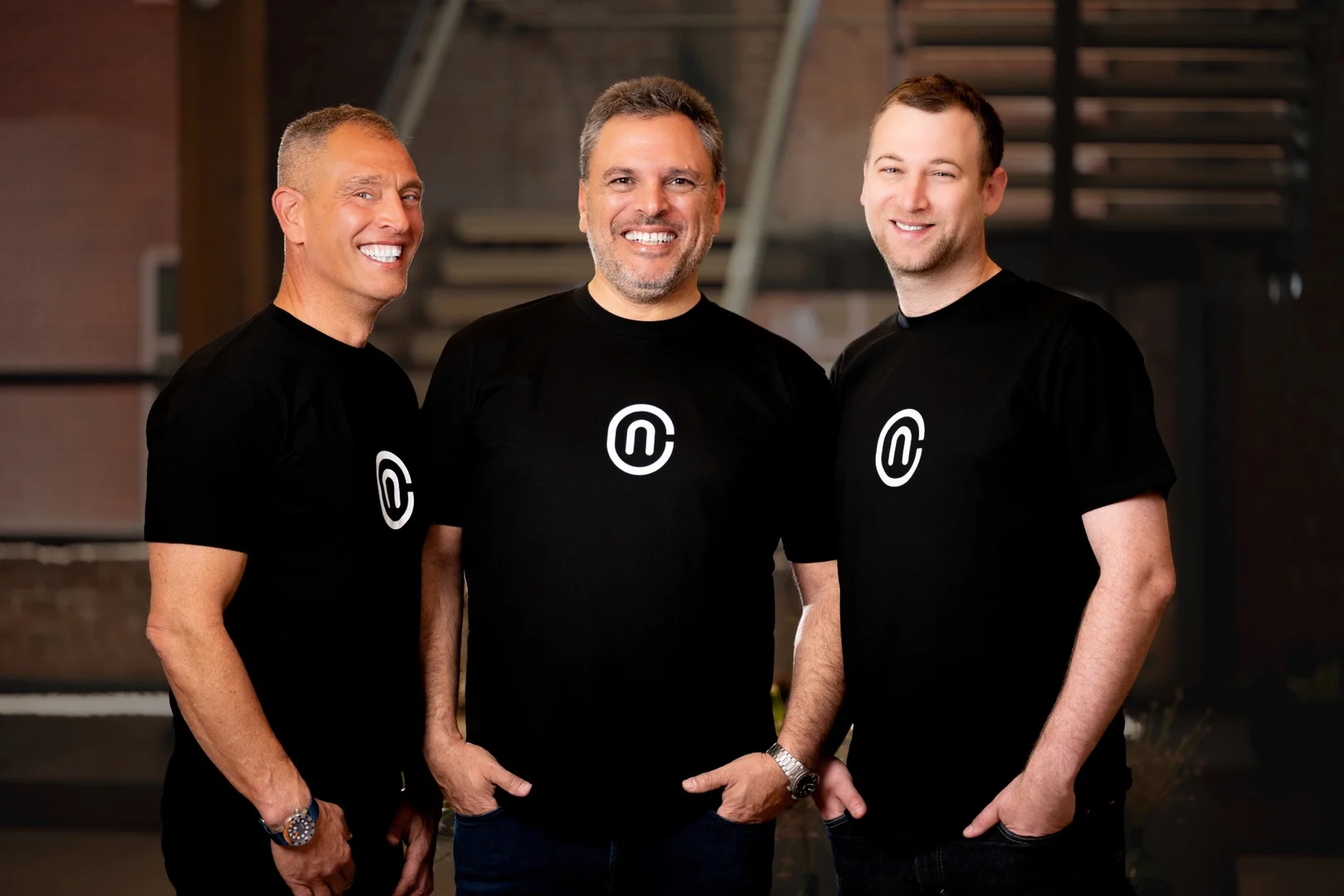
NewCore was co-founded by Zohar Alon, who previously founded cloud security startup Dome9 before its acquisition by Check Point, the Israeli cybersecurity company. He serves as CEO. His co-founders are Amihai Neiderman, the company's CTO, who previously led research at Israeli military intelligence unit Unit 8200 and founded healthcare AI startup Nym Health, and Erez Yarkoni, the company's chief commercial officer, who previously served as CIO of T-Mobile USA and Telstra.
Alon said the idea for NewCore took shape in 2023 while he was reviewing the technology budget of a company that relied on an established identity provider. Seeing the size of the bill, he assumed the customer must have been satisfied. "I said, 'You must be extremely happy with them,'" Alon recalled. "He said, 'No, I'm not.'" That conversation reinforced his view that identity management had become a large but stagnant market with limited competitive pressure on incumbent vendors.
Established providers including Okta and Microsoft's Entra have begun adding capabilities for AI agents, but Alon argues those efforts layer onto platforms originally designed for human employees. He described what he sees as a structural limitation: "The traditional vendors give you an agentic way to deal with identity, but it's on the side — it's not integrated." He framed the scale challenge in blunter terms: "We know for sure that the scale and the complexity that those things [AI agents] are going to add to 15- or 20-year-old identity platforms are going to break them."
One architectural choice NewCore uses to address this is what the company calls a split-key approach, which divides critical identity credentials between the customer and the platform, removing a single point of compromise. The company also offers an integration package for AI coding assistants, called Agentic Skill, which works with Anthropic's Claude Code, OpenAI's Codex and Cursor, allowing those tools to access enterprise systems as managed identities rather than through manually distributed credentials. A mobile app allows employees to grant, review and revoke access for AI agents, providing what Alon described as a human oversight layer.
NewCore currently has more than 50 employees across the United States and Israel. Fewer than 10 customers are using the platform, alongside more than 10 design partners. The startup expects to begin charging customers this summer.
Alon predicted that AI agents could outnumber human employees at many technology-focused organizations within a few years, a view he said was echoed by N. Chandrasekaran, chairman of Tata Consultancy Services, the Indian IT services company, who has said AI agents could eventually rival TCS's workforce in size. Alon framed the identity question as a race against the pace of deployment: "It's inevitable. The question is whether we're going to build the guardrails in time."