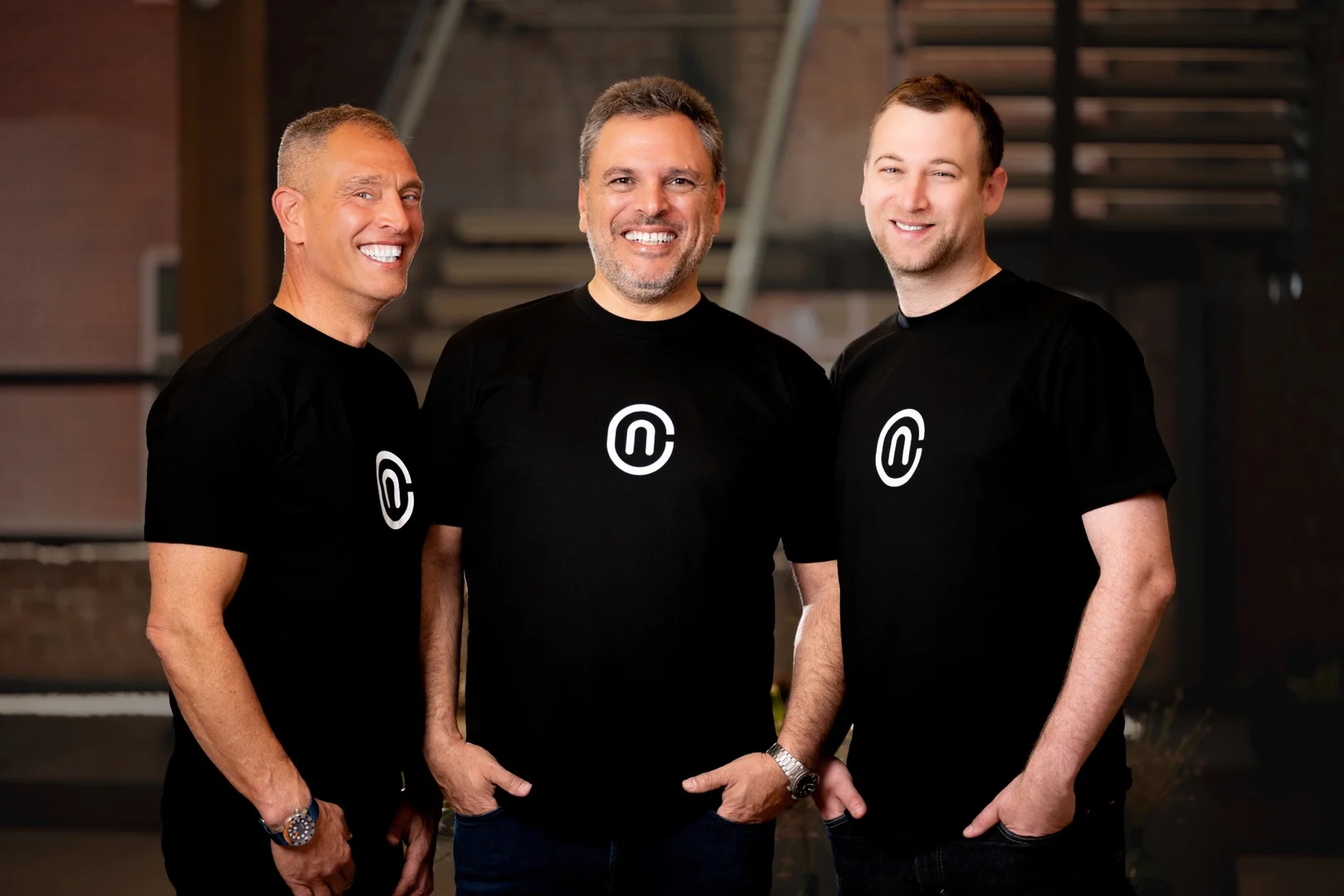
Hyro, an agentic AI platform deployed across more than 2,500 healthcare facilities and serving more than 30 million patients through over 100 million interactions, has launched Care Intelligence, an analytics and intelligence layer designed to extract operational insights from AI agent conversations with patients.
The platform addresses a problem Hyro executives describe in standard sentiment analysis: tools built for other industries cannot tell the difference between a patient distressed by a medical diagnosis and one frustrated by repeated transfers. Care Intelligence filters out medical distress by tracking sentiment scores, topic change frequencies and conversation durations, and surfaces only signals that indicate a failure in how care access is operating.
A patient access insights module automatically detects supply shortages, growing transfer queues and automation opportunities from patient conversations as they happen. In one example Hyro provided, new-patient demand for cardiology rose 31 percent, but scheduling slots kept going unfilled because individual providers had set restrictive scheduling rules. Care Intelligence flagged the mismatch between rising demand and blocked supply as it emerged. The platform also includes an AI copilot called Spot Data that lets users query data using natural language.
Care Intelligence is built on Hyro's proprietary ACE architecture, which stands for Agentic Conversational Engine, and maps conversations across more than 1,000 distinct patient intents. Hyro executives said that architecture provides a level of granularity that systems built entirely on large language models cannot replicate.
Israel Krush, CEO and co-founder of Hyro, described the gap the product addresses in how agentic AI is measured: "Agentic AI success in healthcare is traditionally measured by activity volume, like calls answered or time saved. But every time a patient interacts with an AI agent, they are sending signals about unmet demand, access delays, and system friction. Your patients have always been sending these signals; Care Intelligence is the first solution built to receive them. We are giving executives the context they've been missing so they can tie their AI investments directly to measurable operational and financial outcomes."
Hartford Healthcare, a health system based in Connecticut, is among the organizations using Care Intelligence. Sandra Bernabe, senior director of transformation and engagement at Hartford Healthcare, described what the platform provides:
"Care Intelligence gives us visibility we never had before — not just into AI agent performance, but into our entire access operation. We can identify shifts in demand across specialties and locations, pinpoint where access is breaking down, and uncover where patients are dropping out of the journey before reaching care."
Last month, Hyro announced a partnership with Five9, a cloud contact center platform provider, making Hyro the first Five9-accredited healthcare-specific vendor. The partnership is designed to reduce integration time and allow health organizations to automate patient interactions at scale through the combined platforms.