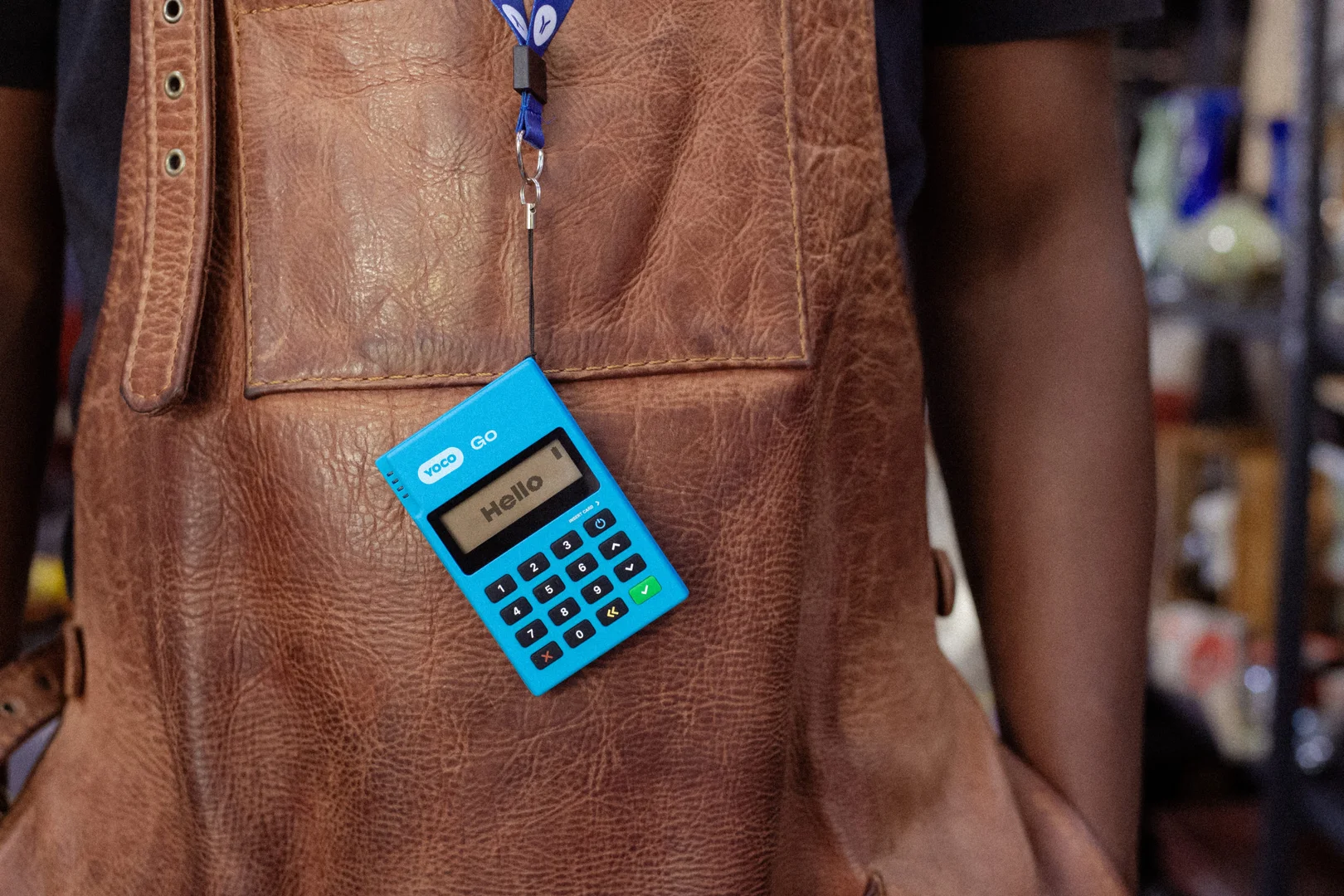
Yoco, a South African fintech company that provides card payment and point-of-sale systems for small and medium enterprises and serves more than 200,000 merchants nationwide, has announced plans to launch an AI-powered assistant called Yoco AI. The company presented the upcoming product at its Unfair Advantage annual event this week, framing it as part of a shift from a payments provider toward a broader business management platform for SMEs. Yoco AI is scheduled to launch in the third quarter of 2026.
Yoco's work on the assistant has been accelerated by its acquisition of Dyner.ai, an AI-native operating system. The acquisition gave Yoco access to machine-learning capabilities and an architecture designed to process and interpret business data in real time.
Dean Braude, director of design at Yoco, described the assistant's intent as removing the need for merchants to search for information themselves:
"Rather than requiring merchants to actively search for information, Yoco AI is being designed to proactively analyse business data and surface recommendations automatically. It can proactively look at all that stuff. You wake up in the morning and it might say: 'I've looked at all the sales from yesterday and these are the things I found.' Instead of you going to find the information, it brings it to you."
The assistant will initially be integrated into the Yoco app, with access to data generated across Yoco's ecosystem, including payments, sales activity, product data and merchant funding information. Braude said this access is intended to let Yoco AI identify trends, detect anomalies and surface insights without requiring merchants to manually review reports. Yoco-branded card machines and the Yoco app operate within a single system, with data stored in the cloud.
The system is also expected to identify unusual activity, flag missing product information and support catalogue management. As an example, Braude said that if sales are recorded against products that do not exist in a merchant's catalogue, the system could identify the discrepancy and recommend a correction. He described the broader intent behind the feature: "It's a lot about removing the admin and the overhead, pulling the insights proactively and then taking action on the things that go on in your business. Merchants often only know they have a problem once they've hit the wall of the problem. With AI, you can see around the corner."
Braude said Yoco's growth strategy centers on building a connected ecosystem that combines payments and point-of-sale functionality with broader business management tools, rather than offering standalone products. The approach is intended to reduce complexity and lower total ownership costs for merchants. According to Braude, Yoco holds between 34 and 36 percent market share in the Western Cape, approximately 9 percent nationally, and approximately 19 percent within its focus sectors of food and beverage, retail, and health and beauty.
Braude tied that growth ambition to the value merchants receive from the platform:
"Many small businesses still spend significant time reconciling information across separate systems, often requiring additional staff resources simply to manage administration. Our goal is to increase market share by making sure we're providing offerings that actually provide value to the merchant and provide outsized value for what they're paying. We believe very deeply in the business that we should grow when our merchants grow."